Source Countersunk Coarse Thread Self Tapping Screws for Industry
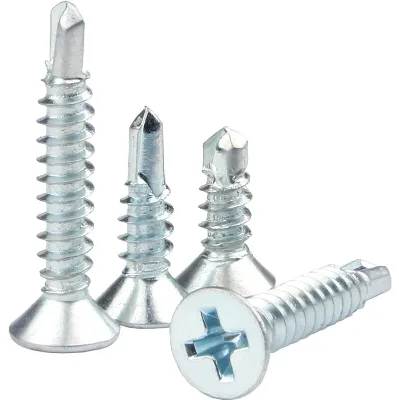
Find 30 listings for countersunk coarse thread self tapping screws suitable for industrial applications. Compare options featuring carbon steel and stainless steel materials with zinc plating or black oxide finishes. Specifications include DIN and GB standards with full thread types and various drive styles.
Key considerations
Products List




Comprehensive Sourcing Guide
Countersunk Coarse Thread Self Tapping Screws Sourcing Guide
Sourcing countersunk coarse thread self-tapping screws requires a precise understanding of their mechanical function and the specific industrial environments in which they operate. These fasteners are engineered to create their own mating threads in softer materials, eliminating the need for pre-tapped holes and significantly reducing assembly time. The countersunk head design ensures a flush finish, which is critical for applications where aerodynamics, aesthetics, or structural clearance are paramount. Buyers must recognize that "self-tapping" is a broad category; verifying the exact thread profile and tip geometry is essential to ensure compatibility with the target substrate material.
The coarse thread pitch offers distinct advantages in terms of shear strength and installation speed, particularly when working with materials like wood, plastic, or thin-gauge sheet metal. However, this aggressive threading profile demands careful selection of the screw’s hardness and coating to prevent stripping or galling during installation. Procurement teams should evaluate the balance between holding power and the risk of material damage. Understanding the interplay between thread pitch, head style, and drive type is fundamental to selecting a fastener that delivers reliable performance without compromising the integrity of the assembled components.
Product Scope and Observed Listing Signals
Market listings for these fasteners reveal a diverse range of material compositions, primarily featuring carbon steel and stainless steel variants. Carbon steel options are often treated with surface finishes such as zinc plating or black oxide to enhance corrosion resistance, while stainless steel grades provide inherent durability in harsher environments. Buyers will observe specifications ranging from small models like GB846 to larger industrial sizes, with lengths typically spanning from 9.5mm to 100mm. This variability allows for tailored solutions across different thicknesses of joined materials, ensuring that the screw length provides adequate engagement without protruding excessively.
Packing and customization options further define the product scope, with suppliers offering bulk packaging in cartons or specialized bags and barrels. Many manufacturers support OEM and ODM services, allowing for custom thread pitches, head styles, and drive types to meet unique engineering requirements. Observed attributes include full thread configurations and specific drive types like cross or Torx 25, which influence torque application and installation efficiency. The presence of standardized models alongside custom solutions indicates a flexible supply chain capable of addressing both high-volume commodity needs and specialized project demands.
Technical Specifications to Verify
Verifying the thread standard is a critical step, as listings may reference DIN, GB, ANSI, or JIS standards, each with distinct dimensional tolerances. Buyers must confirm whether the coarse thread pitch aligns with the specific requirements of the assembly process and the material being fastened. The head style, often described as countersunk or trim countersunk, must be matched to the counterbore dimensions of the receiving part to ensure a proper flush fit. Additionally, the drive type, such as cross-recessed or Torx, should be selected based on the available tools and the required torque levels to prevent cam-out during installation.
Material grade and hardness are equally important technical parameters that dictate the screw’s performance under load. Stainless steel options may vary in grade, affecting both corrosion resistance and mechanical strength, while carbon steel screws rely on heat treatment and coatings for durability. Buyers should verify the measuring system, as listings may specify inch or metric dimensions, and ensure that the selected screw model, such as DIN7982 or MS614, corresponds to the intended application. Confirming these details prevents mismatches that could lead to assembly failures or compromised structural integrity in the final product.
Compliance and Safety Documentation
Certification requirements vary by region and industry, with ISO and CE marks being common indicators of quality and safety compliance. Buyers should request documentation that verifies these certifications, ensuring that the fasteners meet the necessary regulatory standards for their specific market. Additional certifications such as SGS may provide further assurance of material composition and manufacturing consistency. It is crucial to confirm that the supplier can provide valid certificates for each batch, as these documents serve as proof of adherence to established quality management systems and safety protocols.
Safety considerations extend beyond certification to include the proper handling and installation of the fasteners. Coarse thread self-tapping screws generate significant heat and friction during installation, which can affect the surrounding material if not managed correctly. Buyers should ensure that the supplier provides guidance on installation torque and speed to prevent material damage or screw failure. Understanding the environmental conditions in which the fasteners will operate is also vital, as this influences the choice of coating and material to prevent premature corrosion or degradation over the product’s lifecycle.
Cost Drivers and Commercial Terms
The cost of countersunk coarse thread self-tapping screws is influenced by several factors, including material type, coating complexity, and order volume. Stainless steel variants typically command a higher price than carbon steel due to raw material costs, while specialized coatings add to the manufacturing expense. Minimum order quantities (MOQ) can range significantly, from small batches for prototyping to large volumes for mass production, impacting the unit price and overall procurement strategy. Buyers should negotiate terms that align with their production schedules and inventory management capabilities to optimize cash flow.
Delivery times and payment terms are also key commercial considerations that affect the total cost of ownership. Lead times may vary based on customization requirements and production capacity, with standard items often available for quicker shipment. Buyers should clarify the delivery period, which can range from 10 to 30 working days or longer for custom orders, to ensure alignment with project timelines. Additionally, understanding the packing specifications, such as bulk cartons or palletized shipments, helps in planning logistics and storage, ensuring that the fasteners arrive in optimal condition for immediate use.
Supplier Qualification and Quality Control
Evaluating supplier qualifications is essential to ensure consistent quality and reliable supply. Buyers should assess the manufacturer’s production capabilities, including their ability to maintain tight tolerances and provide consistent surface finishes. Factories located in regions like Taizhou or Zhejiang are known for their manufacturing expertise, but due diligence is required to verify their quality control processes. Requesting samples and conducting incoming inspections can help identify any deviations from specified standards before committing to large orders.
Quality control measures should include rigorous testing of mechanical properties, such as tensile strength and hardness, as well as corrosion resistance tests for coated items. Buyers should inquire about the supplier’s defect rate and their procedures for handling non-conforming products. Establishing a clear communication channel for quality issues ensures that any problems are addressed promptly. Additionally, verifying the supplier’s ability to provide traceability for materials and production batches adds an extra layer of security, allowing for quick identification and resolution of any quality-related concerns.
Long-Term Procurement Checks
Long-term procurement success depends on establishing a robust relationship with suppliers who can adapt to changing market conditions and product requirements. Regular performance reviews should be conducted to assess delivery reliability, quality consistency, and responsiveness to issues. Buyers should monitor market trends for raw material price fluctuations and adjust procurement strategies accordingly to mitigate cost risks. Maintaining a diversified supplier base can also provide flexibility and reduce dependency on a single source, ensuring continuity of supply even during disruptions.
Continuous improvement initiatives should be encouraged through feedback loops and collaborative problem-solving with suppliers. Sharing performance data and customer feedback can help suppliers refine their processes and enhance product quality over time. Buyers should also stay informed about emerging standards and technologies in fastener manufacturing to ensure that their procurement practices remain aligned with industry best practices. By fostering a partnership approach, organizations can achieve greater efficiency, cost savings, and product reliability in their long-term sourcing strategies.
FAQs
What certifications do these screws have?
These screws hold ISO, CE, and SGS certifications. The product data confirms multiple certifications including ISO and CE for quality assurance. Buyers can rely on these standards for industrial applications requiring verified compliance and safety in global markets.
Can I get custom sizes for these screws?
Customization is available for these screws. The product attributes explicitly state that customized options exist alongside non-customized versions. Buyers can request specific dimensions or finishes to match their unique industrial requirements and project specifications.
What is the delivery time for orders?
Delivery typically takes 10 to 30 working days. Some listings also mention periods of 30, 45, or 60 days depending on customer wishes. This lead time allows for production planning while ensuring timely shipment of bulk orders to international destinations.
Which materials are used for these screws?
These screws are made from carbon steel and stainless steel. The material properties confirm the use of both types to suit different corrosion resistance needs. Buyers can select the appropriate material grade based on their specific environmental and structural application requirements.
What is the minimum order quantity required?
The minimum order quantity starts at 1 piece but can go up to 100,000 pieces. Specific listings indicate an MOQ of 1000 pieces for certain items. This flexibility allows buyers to place small trial orders or large volume purchases depending on their inventory needs.
Where are these screws manufactured?
These screws originate from China, specifically Taizhou and Zhejiang regions. The product origin data confirms the manufacturing location within these Chinese provinces. Buyers sourcing from this region benefit from established industrial clusters specializing in fastener production and export logistics.
What packaging options are available for shipment?
Packaging includes 25kg bulk cartons, small packages with pallets, and various bags or barrels. The product attributes list options like bulk, bag, box, and plastic barrel packaging. This variety ensures safe transport and easy handling for different order sizes and shipping methods.